Chuck Sykes – The Management Advantage Consulting
With our consulting business, I have had to deal with many cases of wildlife management misperceptions over the years. They come in a wide variety of subjects from food plot seed, harvest recommendations, to lake management. Even though the subject matter may be different, the ideas behind the confusion are basically the same; either my father or grandfather did it this way or the case where a little information can be dangerous.
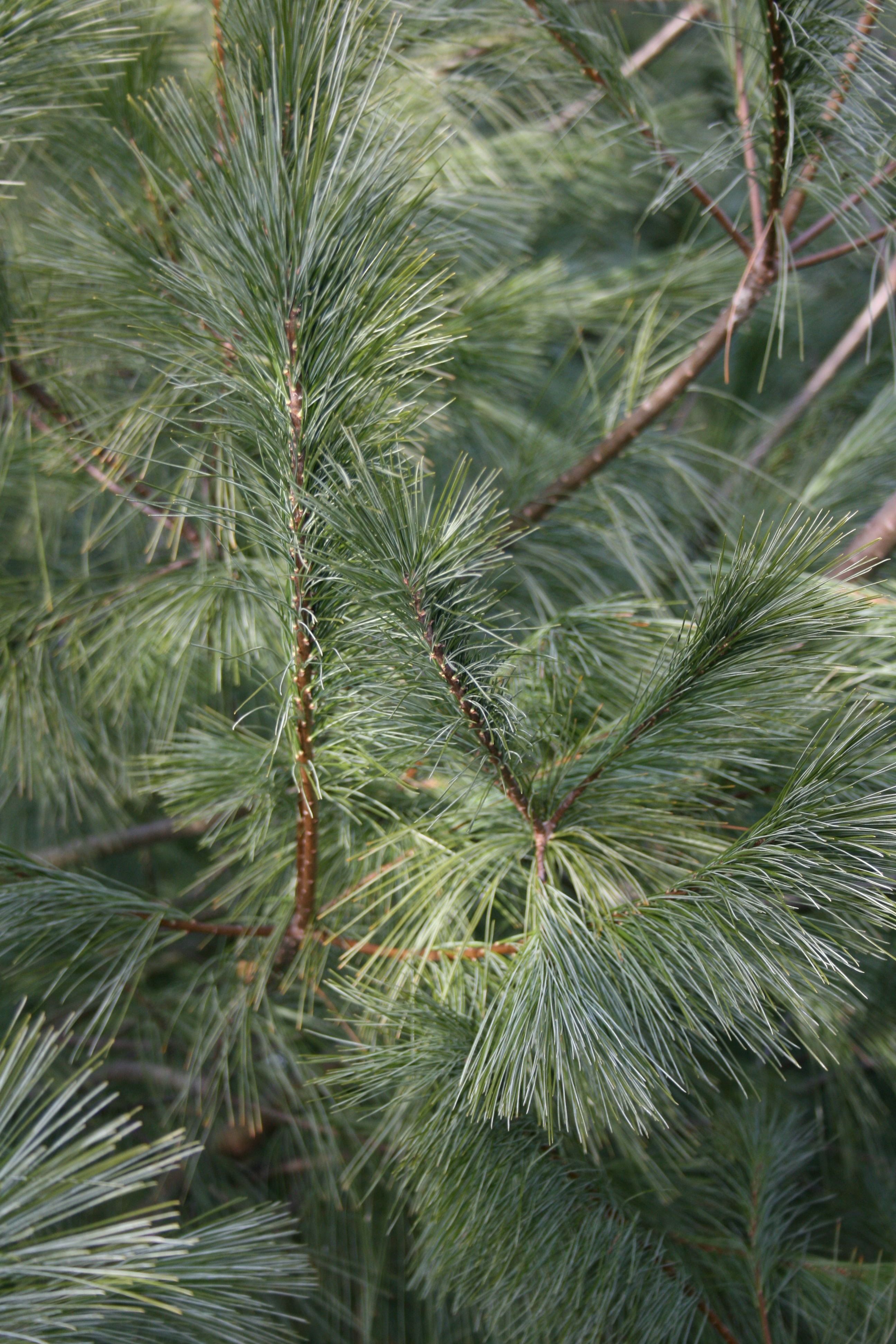 Although I could write about this topic with lake and pond management, food plot management, or many other subjects, I am going to focus on the most common topic I encounter, habitat management. Recently, I was asked to be a guest on a local radio show that focuses on hunting and fishing. One of the hosts asked my opinion about what he considered to be the decline of turkey populations in our area due to enormous amounts of pine plantations.
Thankfully, we had to go to a commercial break where I could regain my composure before answering his question on live radio. I don’t know how my times a year I get this same question about pine plantations ruining wildlife populations and therefore reducing hunting opportunities. The misperception by the non hunting public and sadly by many hunters is that pines plantations equal poor wildlife habitat. This mentality really gets my blood boiling.
Pines Can be Productive
What most people consider poor wildlife habitat is unmanaged timber stands. This can hold true for both hardwood and pine stands. But, rather than learn about proper habitat management, it is much easier to blame the shift in timber from hardwood to pine. Because granddaddy used to kill deer and turkey in hardwoods, that has got to be the habitat that must be the most beneficial for wildlife. The fact is; I prefer to manage pine stands for wildlife food production over hardwoods. I know that statement is probably hard for many of you to understand. So, I am going to try to explain my thinking in this article. I grew up in west Alabama hunting in river bottom hardwood forests and was fortunate enough to harvest deer and turkey. As I grew up, pine timberland started taking over many areas that were originally hardwood. With the paper industry growing in our area and throughout much of the south, I knew that this trend of pines replacing hardwoods was only going to grow in scope. So, unlike many other hunters, I chose to learn wildlife management and improve habitats rather than just gripe. It is a whole lot easier for most people to complain rather to try to change or adapt to the situation. I wasn’t going to fall into that trap.
I decided to go to Auburn University and pursue a degree in Wildlife Sciences. I quickly learned that wildlife management could not be done effectively without manipulating the timber and vice- versa. If timber was cut, it would impact the wildlife. If pines were going to dominate the landscape, I had to learn how to manage them. By working closely with a friend who was a registered forester, we developed a management strategy that not only provided the landowner with an economically viable timer stand, but it also provided the local wildlife with optimum habitat.
With our model, not only were pine forests cash crops for landowners, they were also turning into great places to hunt. The problem with most timber tracts (whether they are pine or hardwood) is they are mismanaged. Unproductive wildlife habitat can be found in both timber types when unmanaged. Diversity is the name of the game with wildlife management. Most wildlife animals that we actively hunt are edge species. They prefer to occupy areas where more than one type of habitat converged. We have a wide array of management options at our disposal to create that diversity when it comes to pine timberland management. To fully understand how to manage pine timber, let’s take a look at the life cycle of a pine plantation and the management practices we employ.
The Life of a Pine
The first phase is site preparation and planting. We will start with a fresh clearcut. All merchantable timber has been removed and it is time to start over. Proper chemical site preparation is vital to getting your seedling pine stand established and off on the right foot. A wide variety of chemicals can be used to achieve site preparation goals. I would strongly suggest hiring a forestry or wildlife professional to assist you with this process. Different chemicals can be used depending on site specific parameters. The bottom line is you must reduce or eliminate the competition from the native timber stand in order to get your improved loblolly seedlings their best start. A planting rate of approximately 640 trees per acre is recommended. Think about it like this, six feet between trees in the row and eight feet between rows.
The next phase takes place from age one through eight or ten. During this phase, this pine stand is producing optimum wildlife food and hunting opportunities. The quality native vegetation that already existed in the seed bank can now re-colonize areas once held by unwanted plants prior to site prep. Ample sunlight is providing the optimum condition for beneficial wildlife foods to grow. Plants like honeysuckle, green brier, American beauty berry, poke week, panic grasses, just to name a few, that thrive in this environment. These foods will continue to grow until the trees reach an age where their crowns begin to close and reduce the amount of sunlight reaching the forest floor.
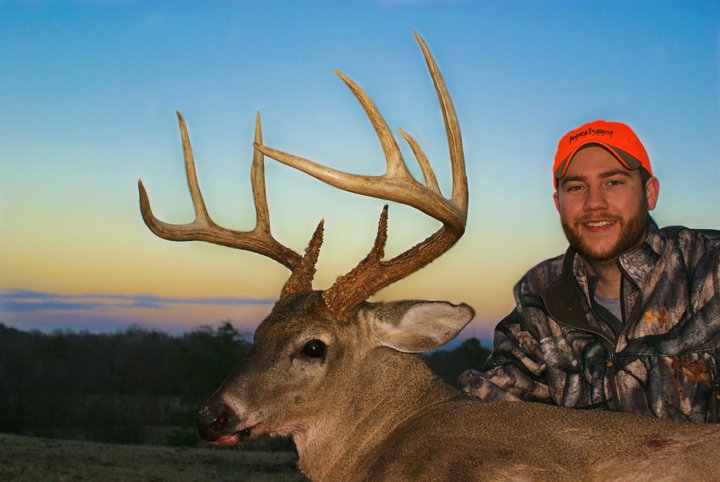 This stage of the pine lifecycle provides quality habitat for a wide variety of wildlife. Deer utilize these areas for feeding, bedding cover, fawning grounds, and escape cover from predators. Wild turkey can find food, nesting cover, brood rearing cover, and loafing cover in young pines. Other wildlife species from rabbits to song birds utilize these areas as well.
The next phase is crown closure. This typically takes place when the trees are ten through fifteen years old depending on site conditions. Once the trees reach crown closure, their growth slows dramatically. Therefore, thinning should be done as soon as possible. However, it may take a year or so before the trees are at a merchantable size, which is why I said between ten and fifteen years of age. Even though many of the staple wildlife foods like honeysuckle are decreasing each year due to the lack of sunlight, this stage still provides necessary wildlife habitat. Deer still use these areas for cover and food. The dark and damp conditions yield excellent conditions for mushrooms to grow and be consumed by deer. Turkey can be found bugging and loafing around in pines of this age.
The next stage is mid rotation. This covers the period of time between the first thinning at age ten to fifteen and the second thinning at approximately age 25. This time frame can be the most productive time as far as wildlife utilization goes. I truly enjoy working with pines at this phase because management options are wide open. Fire for example is extremely beneficial during this period. It is one of the most cost effective and productive management tools in our arsenal. Fire can be used to set back succession and improve wildlife food.
An aerial or ground fertilizer application at this time can improve the growth of the timber as well as the quality and quantity of native vegetation. Strip disking the cut out rows from the previous timber harvest stimulates a diverse plant population to emerge and feed wildlife. A chemical application of Arsenal (Imazapyre) either by helicopter, skidder, or backpack sprayer can remove any unwanted hardwood species like sweetgum or promote beneficial wildlife foods especially when used in conjunction with prescribed fire. What wildlife would not want to utilize pines during this stage in their lifecycle?
Once the timber reaches the second crown closure stage, each landowner must decide to either harvest the entire stand or start over or conduct a second thinning and keep on growing that timber stand. Either way, you have the full complement of management tools at your disposal.
Whether you are talking about pine plantations or hardwood forests, no management is the worst management. So, don’t hate pine plantations. Hate unmanaged pine plantations.